
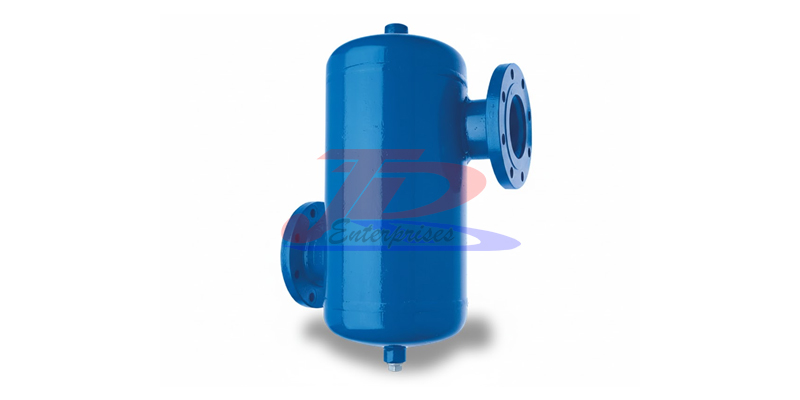
High-Efficiency Air-Oil Separator
Oil carryover in compressed air systems reduces equipment life, increases maintenance and contaminates downstream processes. Our Air-Oil Separators use multi-stage coalescing media and engineered flow paths to capture oil mist down to sub-micron droplets, returning oil to the compressor sump and delivering virtually oil-free compressed air for your plant.
Designed for industrial compressors and heavy duty applications, these separators minimize oil consumption, reduce downtime and protect pneumatic tools, dryers, and instrumentation — making them an essential component for reliable compressed-air systems.
Key Features & Benefits
- High-efficiency coalescing media — removes oil mist to <1 ppm
- Low pressure drop design for optimal compressor efficiency
- Durable construction for continuous industrial operation
- Reduces oil carryover — protects dryers, valves & downstream equipment
- Simple maintenance: replaceable element and easy access housing
- Available in multiple sizes to suit rotary screw and piston compressors
- Returns separated oil to the sump — lowers makeup oil consumption
Typical Applications
Manufacturing, automotive, food packaging (non-contact processes), textiles, painting lines, laboratories, and any compressed-air network where oil contamination impacts product or equipment.
Technical Specifications (typical)
| Separation Efficiency | <1 ppm (with proper element & operating conditions) |
|---|---|
| Flow Range | From 0.5 m³/min to 50 m³/min (multiple sizes) |
| Max Working Pressure | Up to 16 bar (model dependent) |
| Operating Temperature | -10°C to 80°C |
| Connections | Standard BSP / NPT — flanged options available |
| Element Life | Depends on operating conditions — regular inspection recommended |
Maintenance Tips
- Inspect separator element during routine service intervals and replace when saturated.
- Ensure correct element grade for your compressor oil type and operating temperature.
- Keep drain lines and return ports clear to allow oil return to sump.

